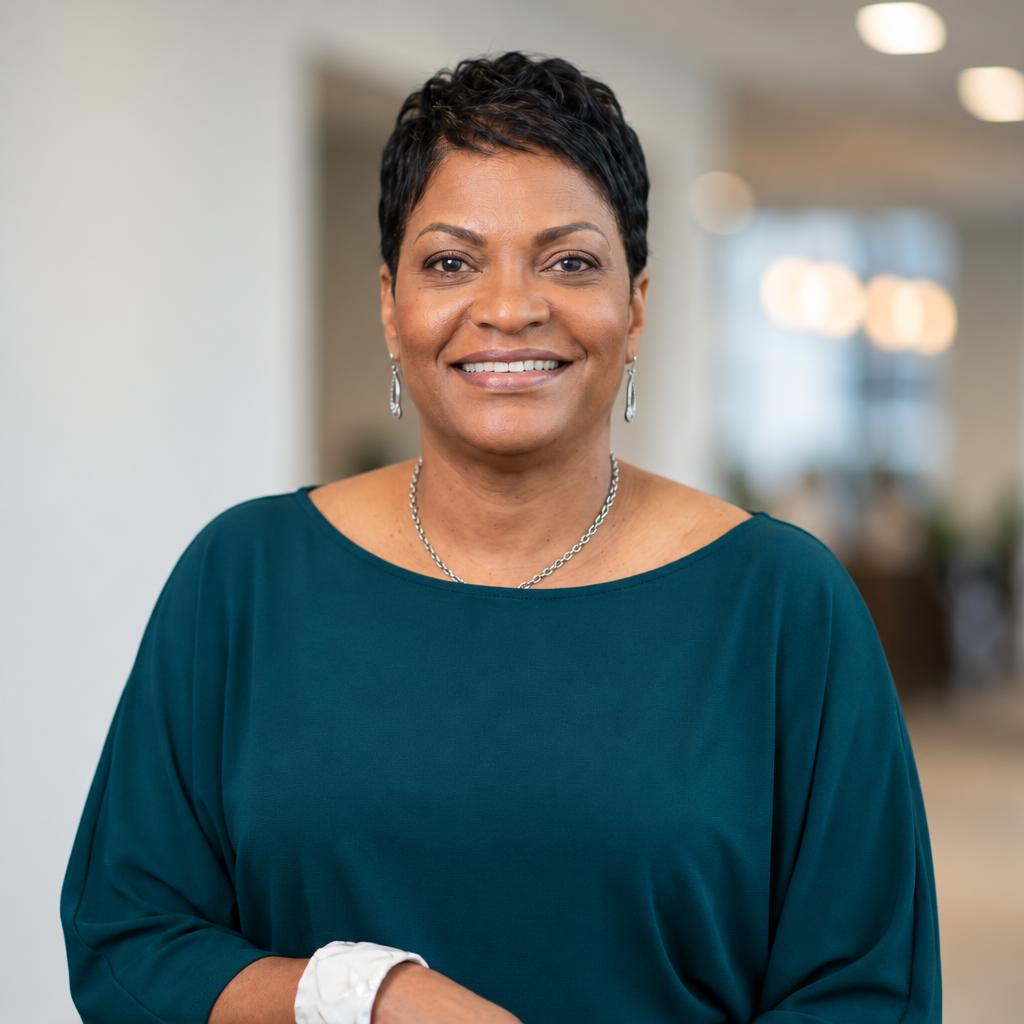
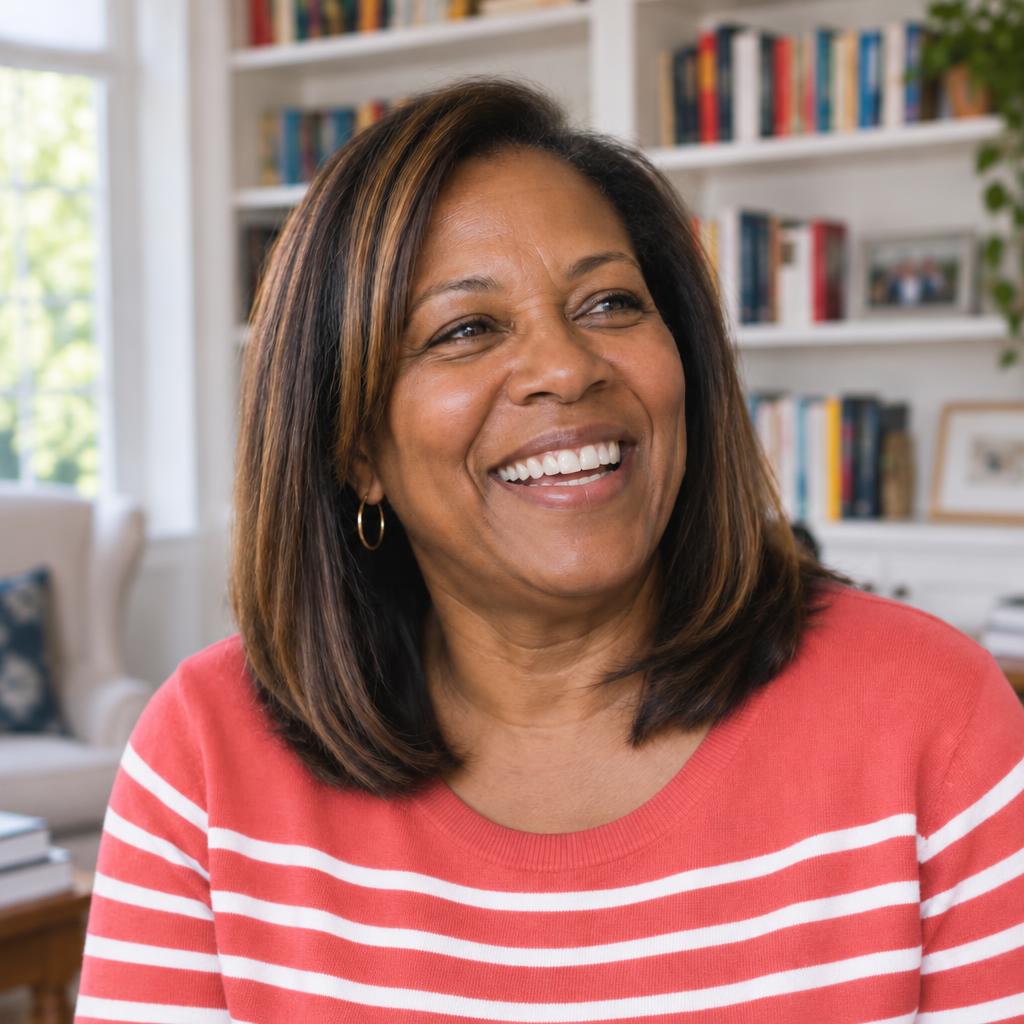
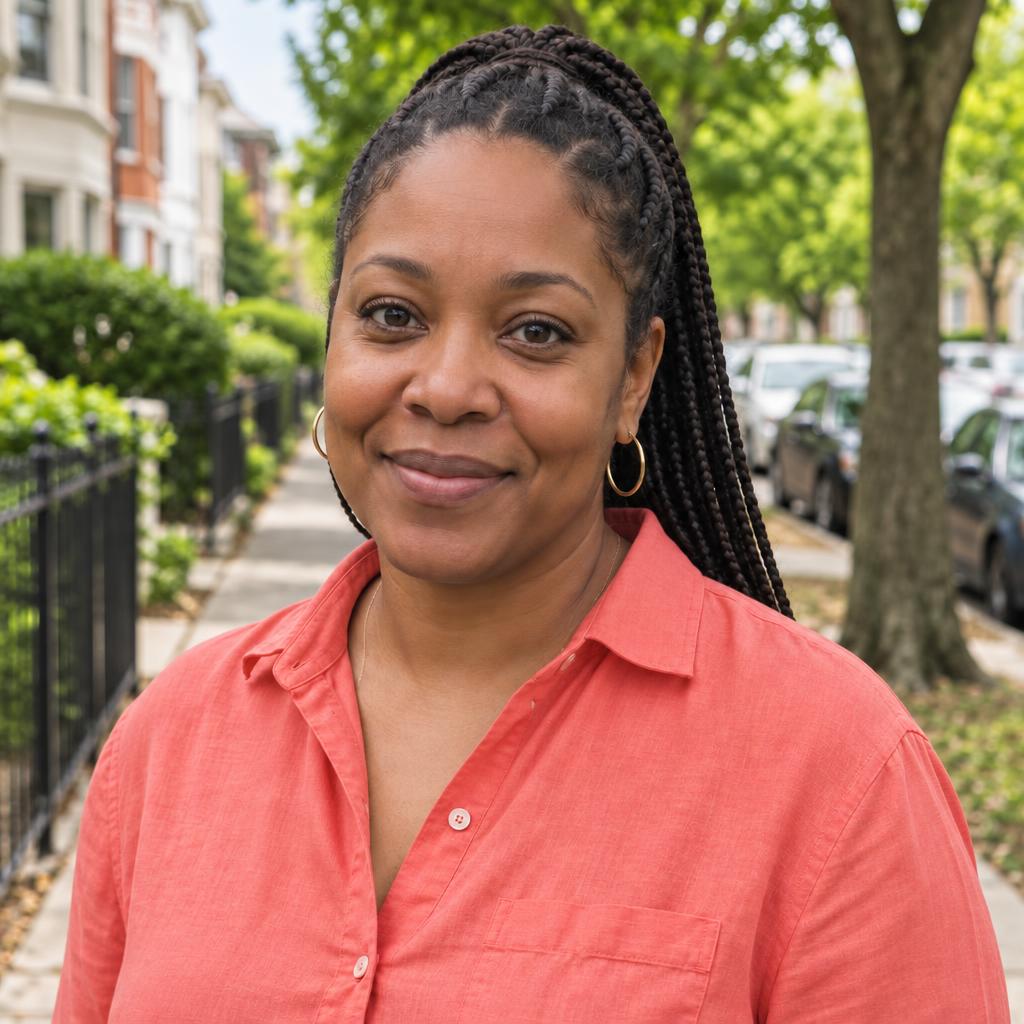
Andrea L. Smedley Hasty
Founder and CEO
 Walk A Mile In My Shoes
Making space for understanding, acceptance, and meaningful connection.
About Us
Walk A Mile In My Shoes is an autism advocacy and support organization founded by Andrea L Smedley Hasty. Guided by her experience as a grandmother and advocate, the organization brings together education, training, travel, and community services so autistic people and their families can learn, participate, and belong. Based in Upper Marlboro, Maryland, Walk A Mile In My Shoes works with families, partners, and communities to turn awareness into practical support and genuine acceptance.
Organization
Walk A Mile In My Shoes
Founder / CEO
Andrea L Smedley Hasty
Advocacy • Education • Inclusion • Support
To empower individuals on the autism spectrum and their caregivers by providing advocacy, education, resources, and support that foster a fair, ethical, inclusive, and compassionate world where every individual has the opportunity to reach their fullest potential.
To become a globally recognized leader in autism advocacy by expanding access to resources, education, and support while promoting acceptance, inclusion, and integrity in communities around the world.
At Walk A Mile In My Shoes, we believe autism is not simply something to be understood—it is something to be accepted, respected, and embraced. Through advocacy, education, training, partnerships, and innovative programs, we are committed to creating a future where autistic individuals are safe, included, empowered, and provided every opportunity to succeed.
We recognize that autism is a lifelong journey and that every individual is different. Our approach is centered on compassion, courage, communication, commitment, collaboration, consistency, community, cooperation, and connection—the 9 C’s.
Awareness should lead to acceptance. Understanding should lead to action. Inclusion should lead to opportunity.
Meet the Team
A dedicated team working toward advocacy, education, and inclusion.
Founder and CEO
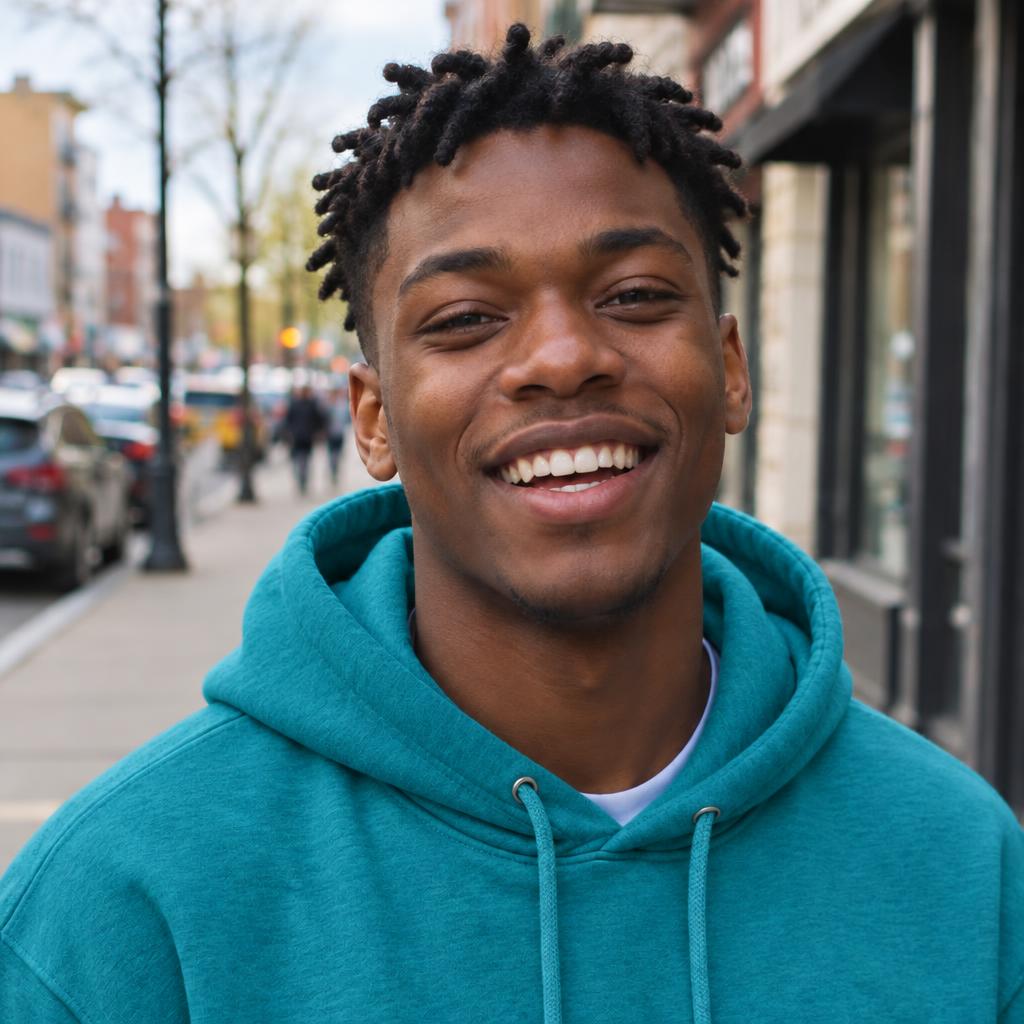
Student Advocate
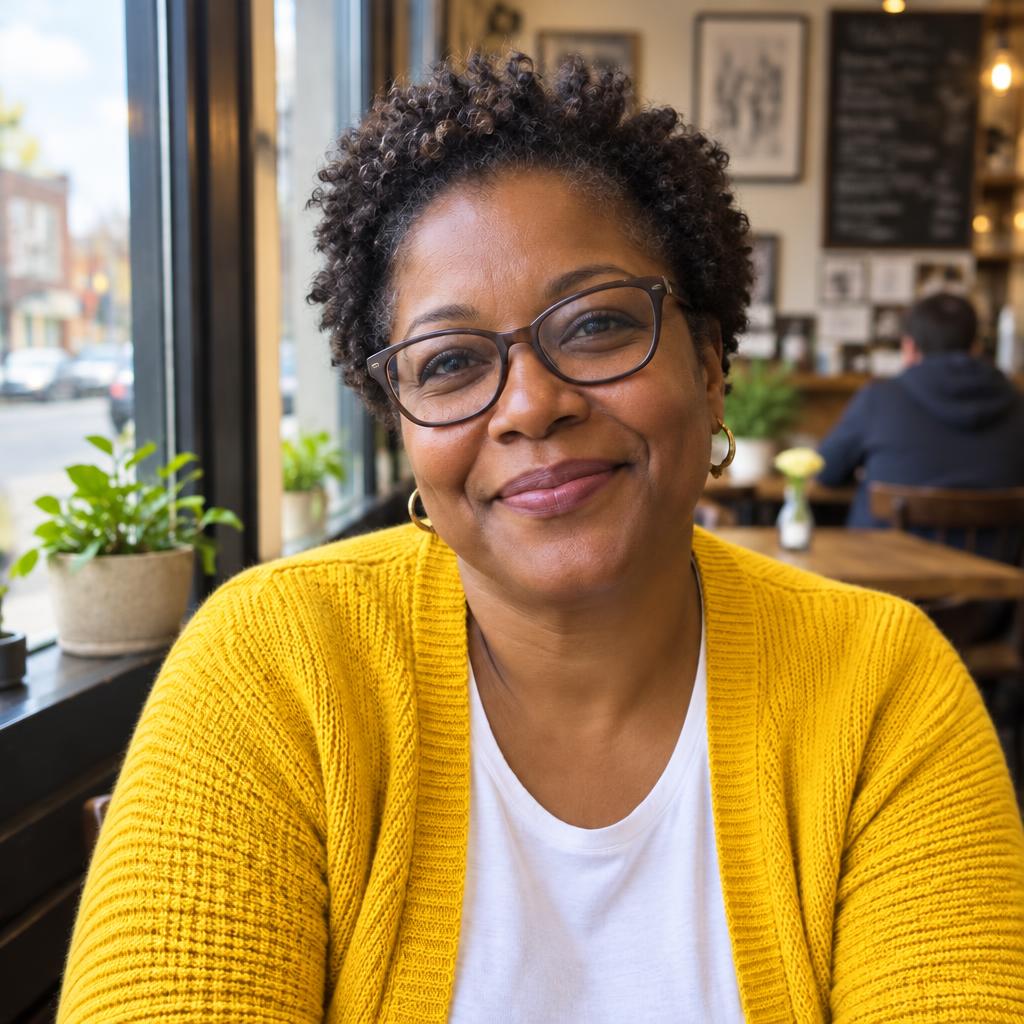
COO
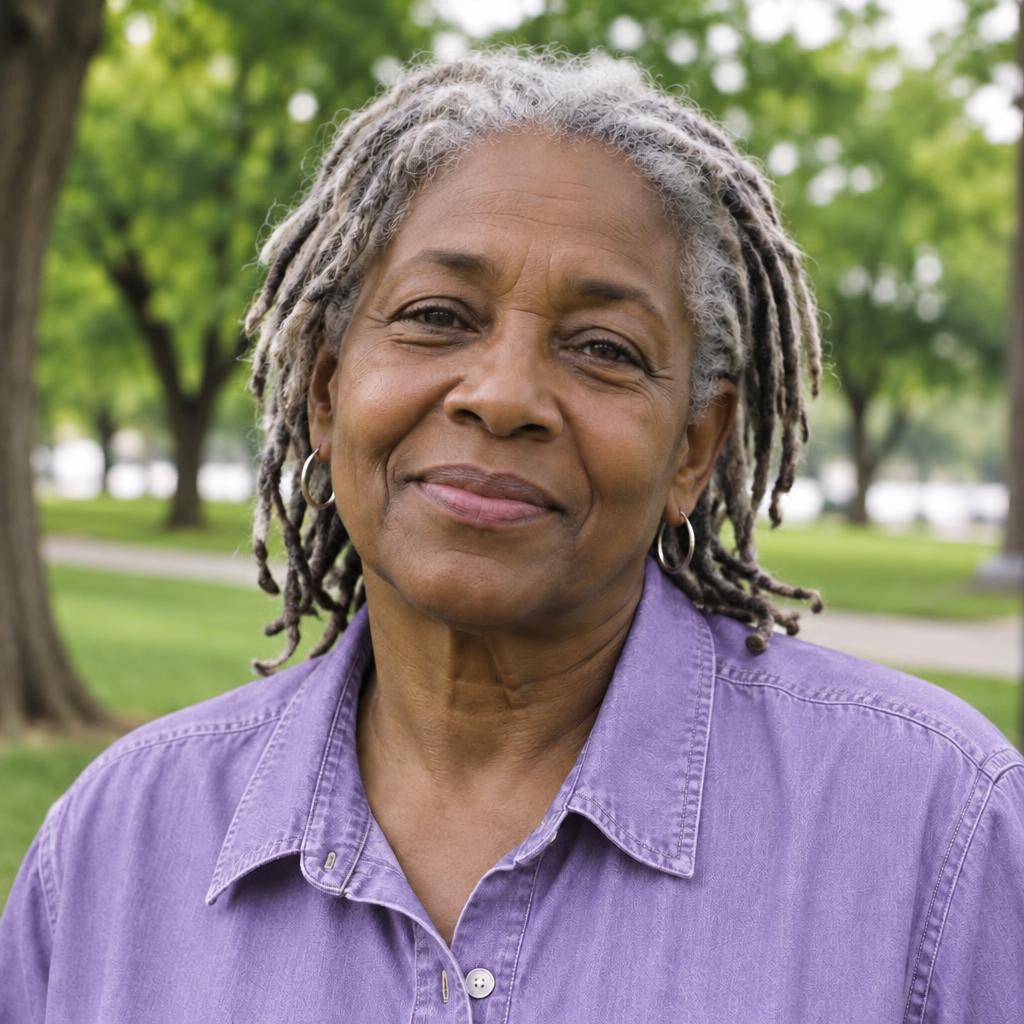
Josiah's Story
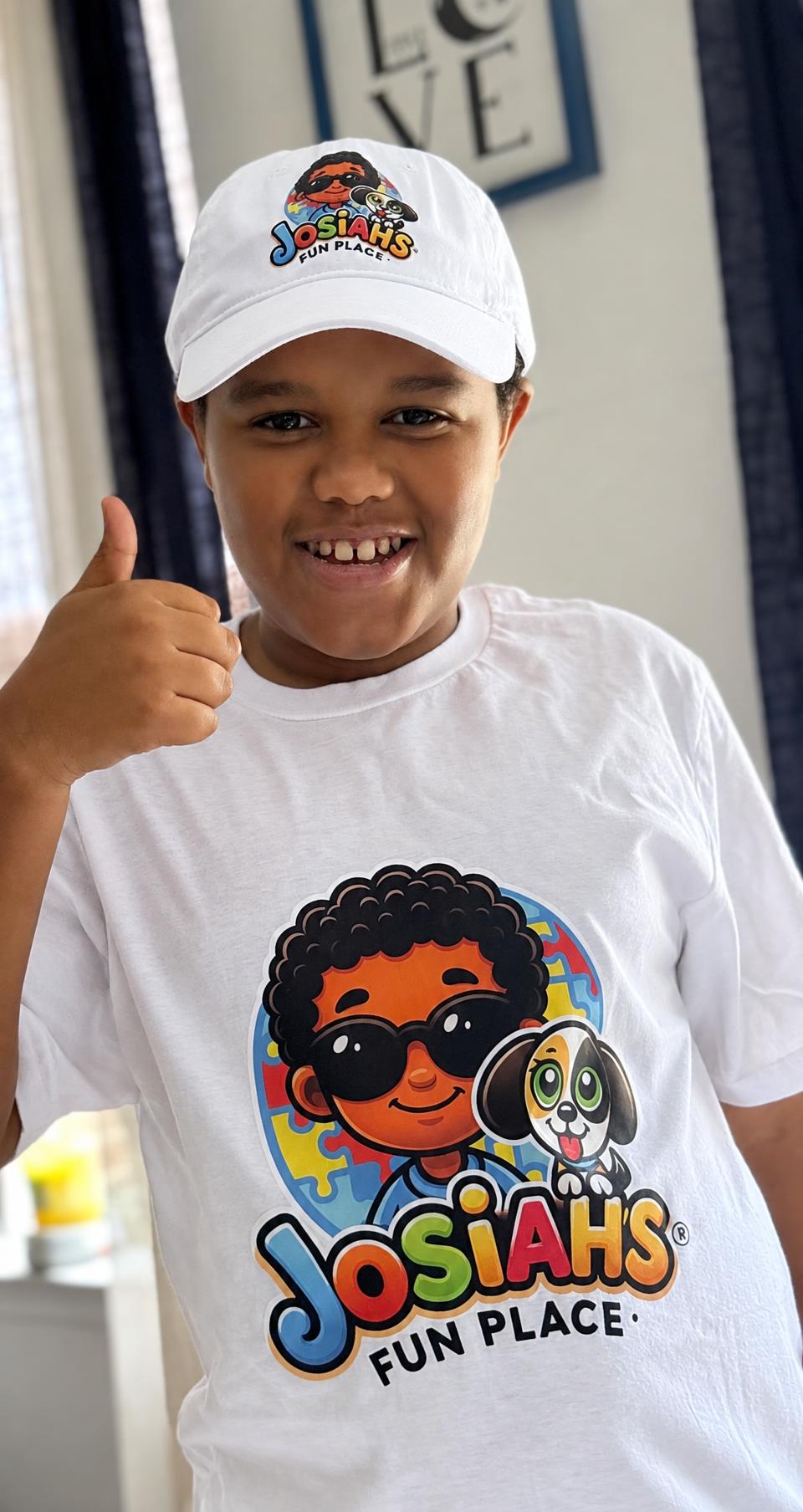
Student Advocate
Josiah's story is at the heart of Walk A Mile In My Shoes. His journey inspired a family's commitment to advocacy, acceptance, and creating SAFE spaces where every child can learn, play, and belong.
Through Josiah's Fun Place, his story continues to bring people together, reminding our community that understanding grows when we walk alongside one another.
 Visit Josiah's Fun Place
Autism Definition
Understanding autism begins with seeing the person beyond the diagnosis. Through awareness, education, and acceptance, we can create communities where autistic people are understood, respected, and included.
Autism, or Autism Spectrum Disorder (ASD), is a lifelong neurodevelopmental condition that affects how a person communicates, interacts with others, learns, and experiences the world. It is called a spectrum because every autistic person is unique, with different strengths, challenges, interests, and support needs.
Some common characteristics include:
Autism is not a disease and does not need to be “cured.” Many autistic people view autism as an important part of who they are. While some individuals need significant daily support, others live independently, attend college, work, and raise families.
Autism awareness is about helping people recognize that autism exists and understand some basic facts about it.
Awareness includes:
Awareness answers the question: “Do people know autism exists?” While awareness is important, many autistic individuals and advocates believe it is only the first step.
Autism acceptance goes beyond simply knowing about autism. It means respecting, valuing, and including autistic people exactly as they are while providing the support they need to thrive.
Acceptance includes:
Acceptance asks: “Are autistic people welcomed, understood, and included?” Examples of acceptance include:
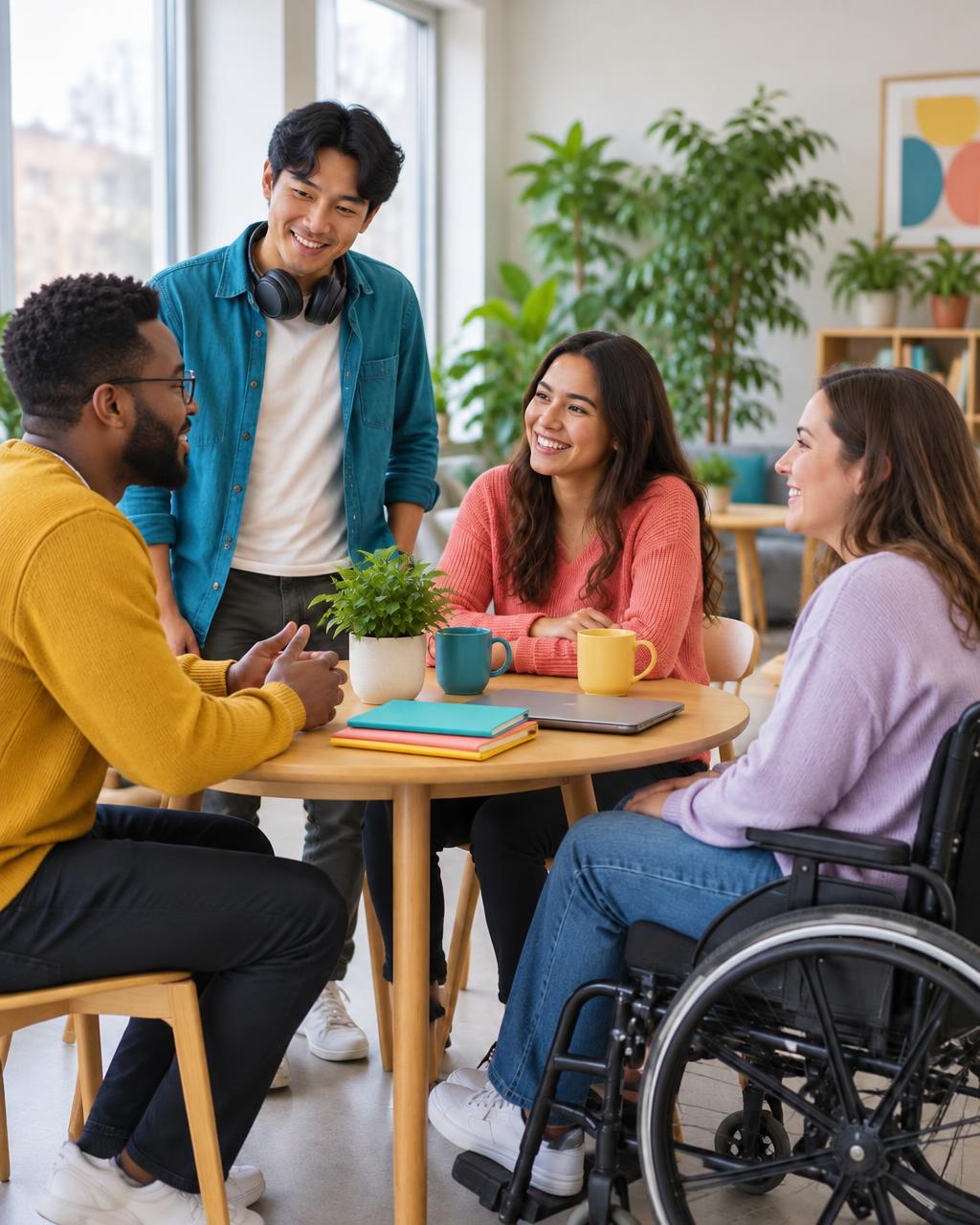
Understanding Autism
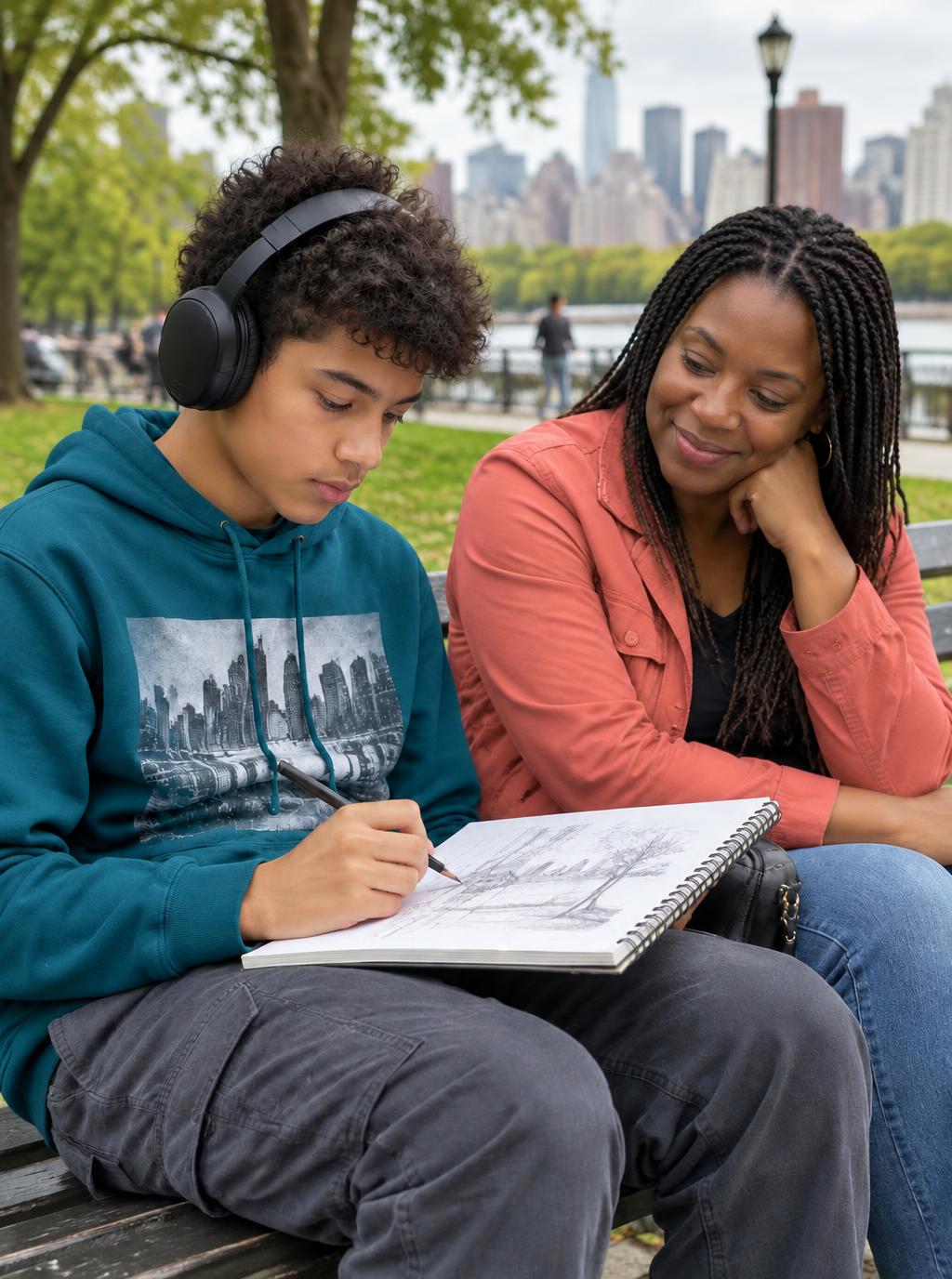
Autism understanding is having an informed, compassionate, and accurate understanding of how autistic people experience the world. It recognizes that every autistic person is unique and that support should be individualized rather than based on stereotypes.
Training and Travel
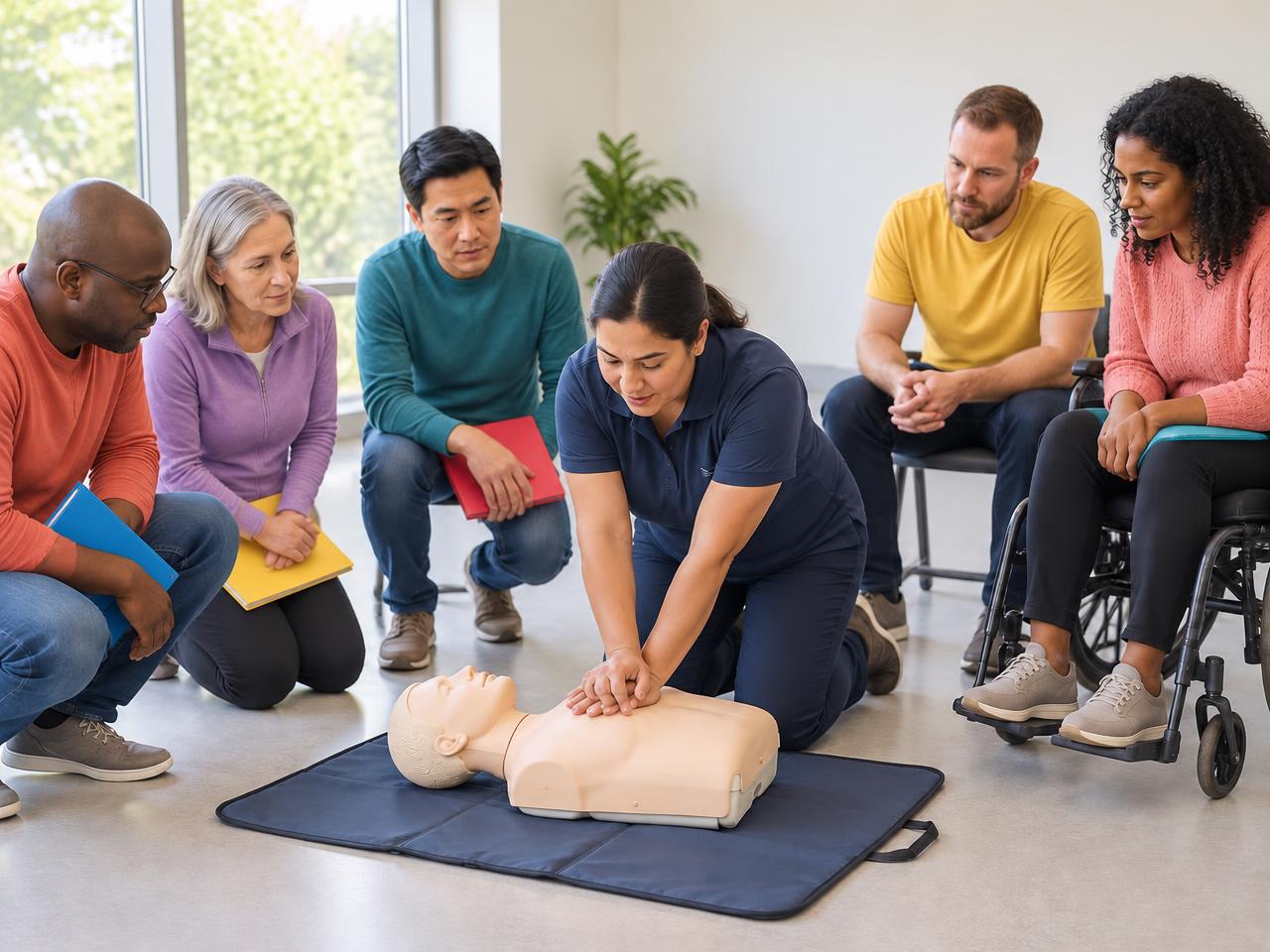
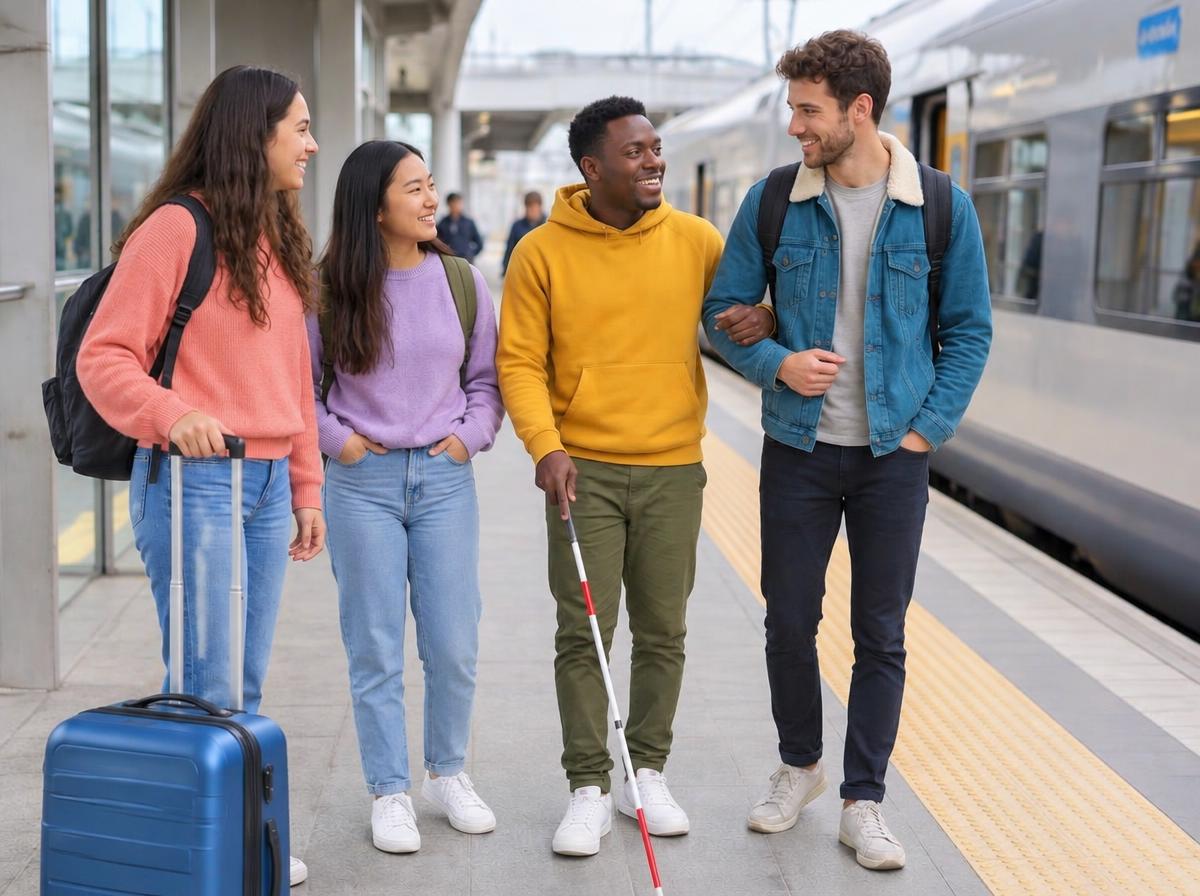
Creating a safe and inclusive environment for autistic individuals requires knowledge, preparation, and compassion. Training programs that focus on autism understanding, emergency response, education support, and emotional wellness help families, educators, caregivers, and communities better support autistic individuals.
Training
Travel
Autism training provides individuals with the tools needed to better understand autism and respond with respect and confidence. Training topics may include:
The goal of autism training is to replace fear and misunderstanding with knowledge, compassion, and support.
Emergency preparedness is an important part of protecting individuals with all abilities. CPR, AED, and First Aid training equips caregivers, educators, staff, and community members with lifesaving skills. Training may include:
For those supporting autistic individuals, emergency training can also include understanding:
Prepared communities save lives.
An IEP (Individualized Education Program) is a written plan created for eligible students with disabilities who receive special education services in public schools. It helps ensure students receive the support needed to access education and reach their potential. An IEP may include:
Families are important members of the IEP team and have the right to participate in decisions about their child’s education.
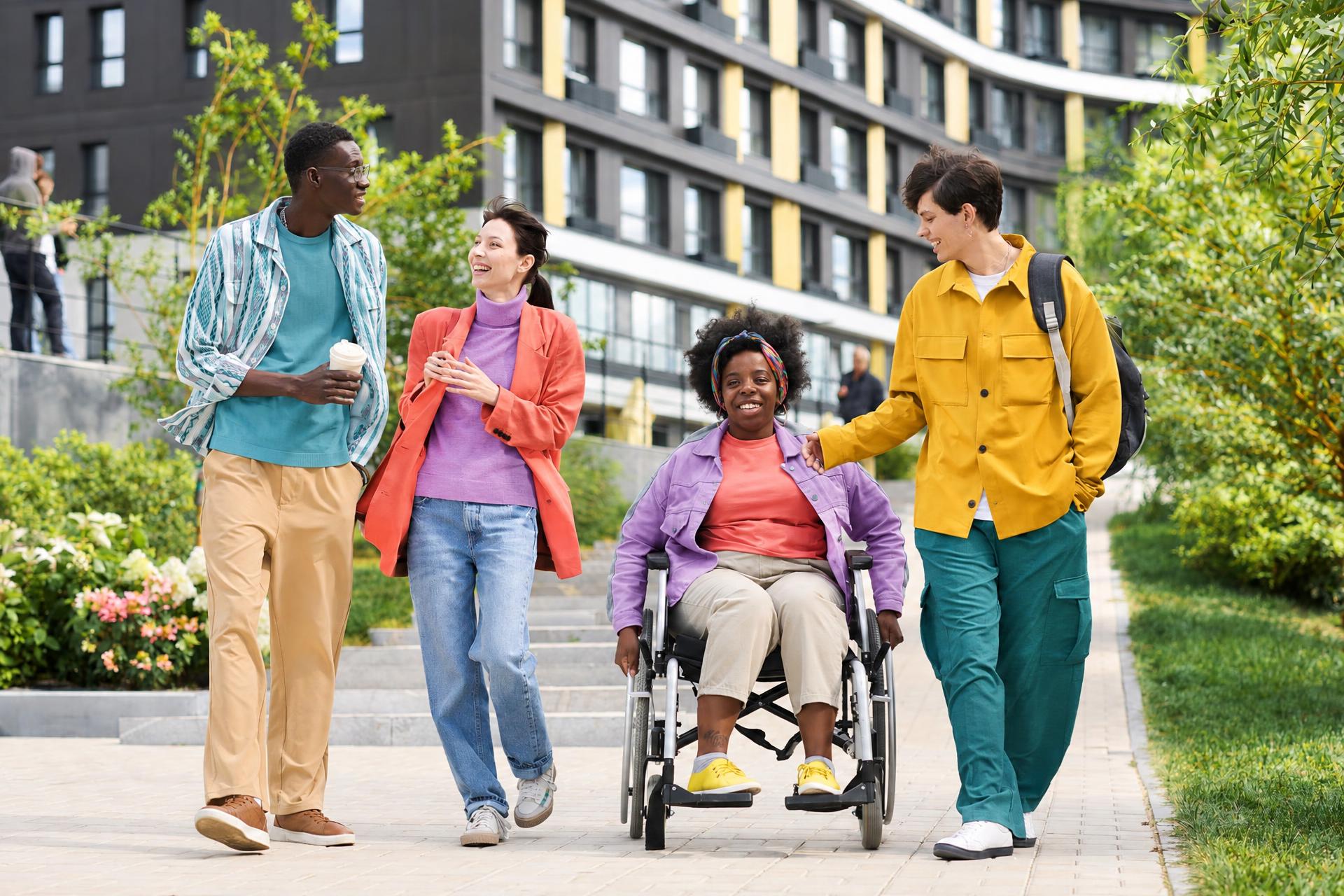
Inclusion
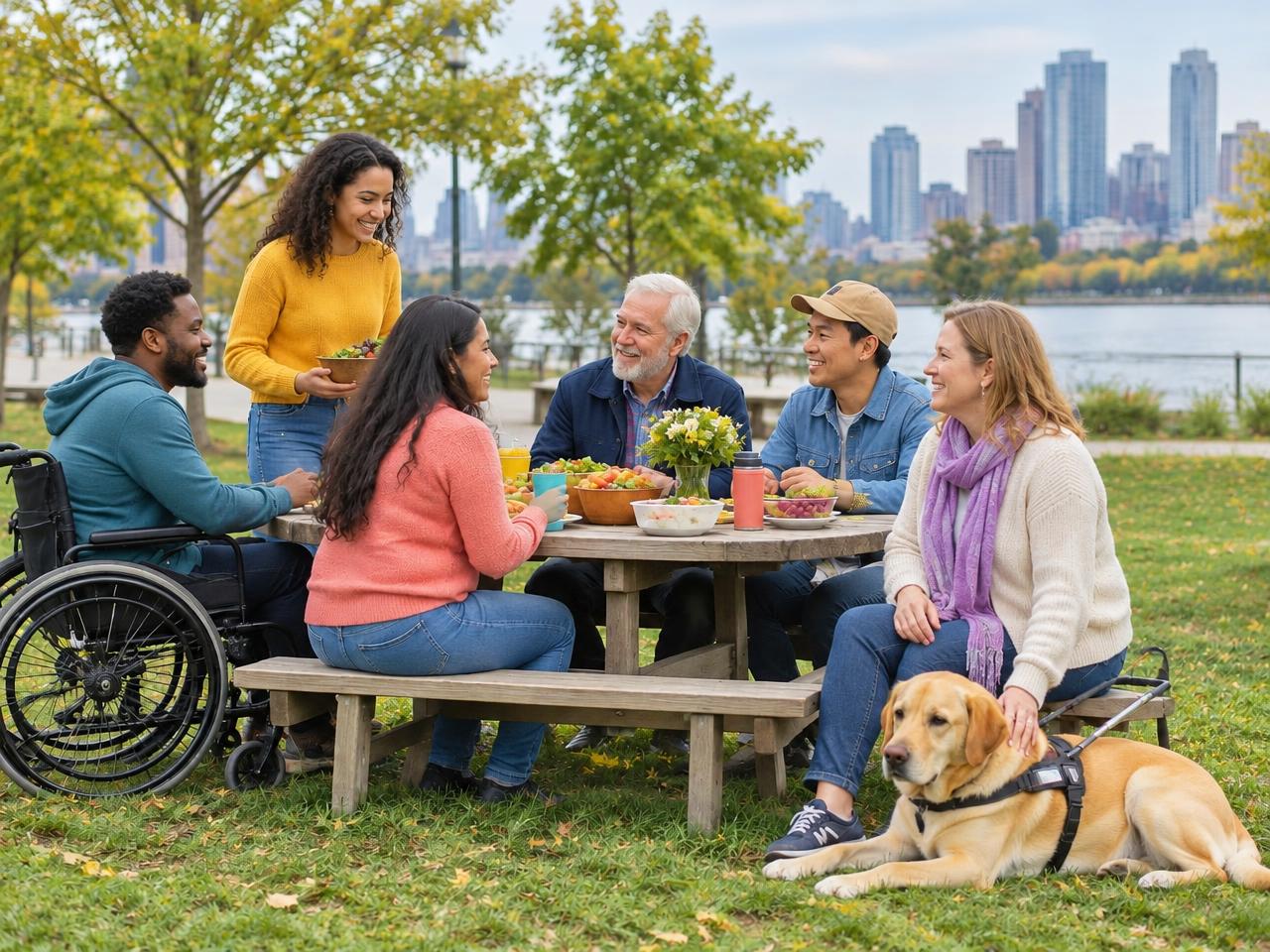
Promoting acceptance, inclusion, and integrity in communities around the world.
Support Services
I provide advocacy, awareness, acceptance, educational training, travel resources, and support services.
Make A Difference
Our campaigns
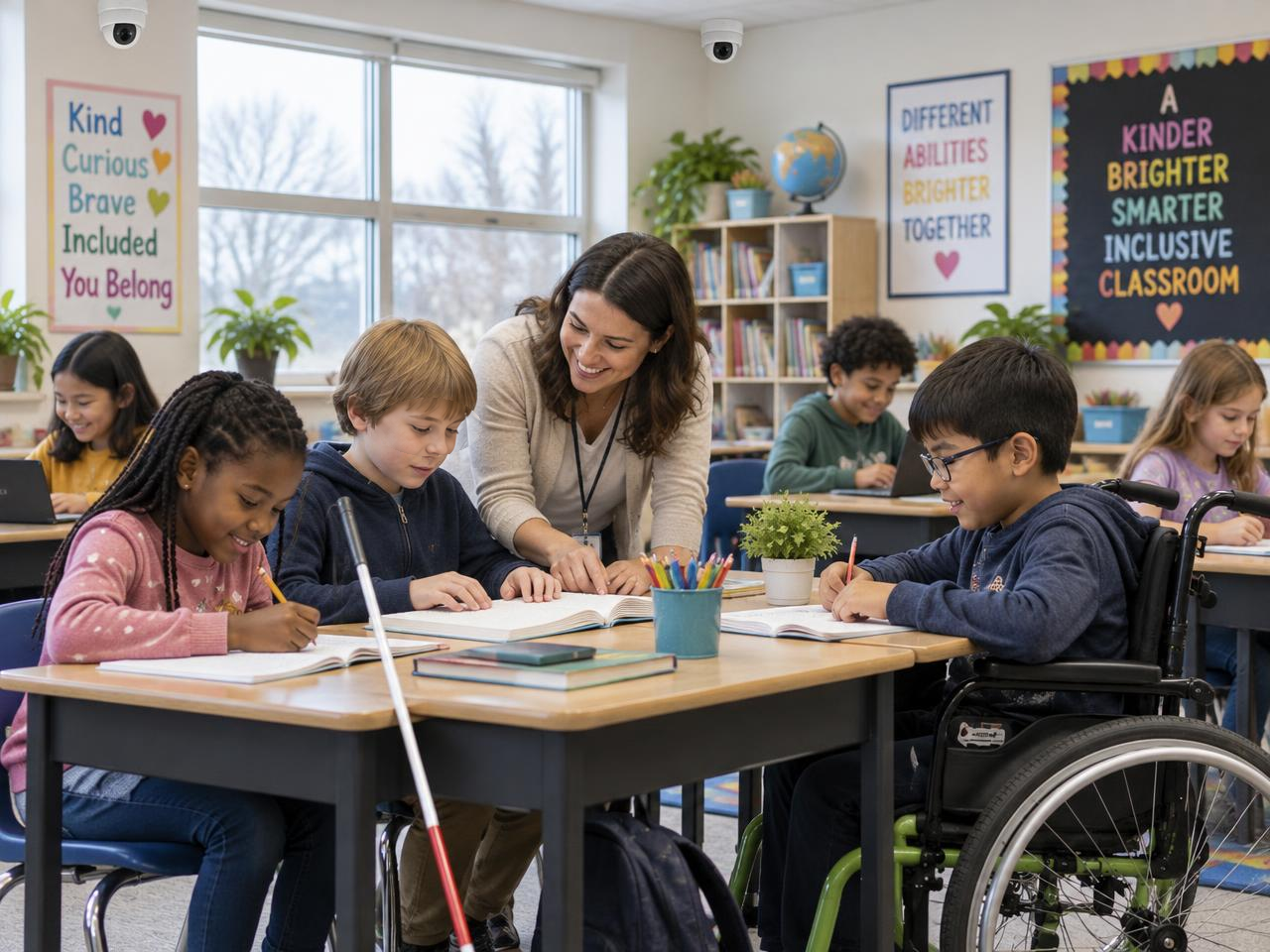
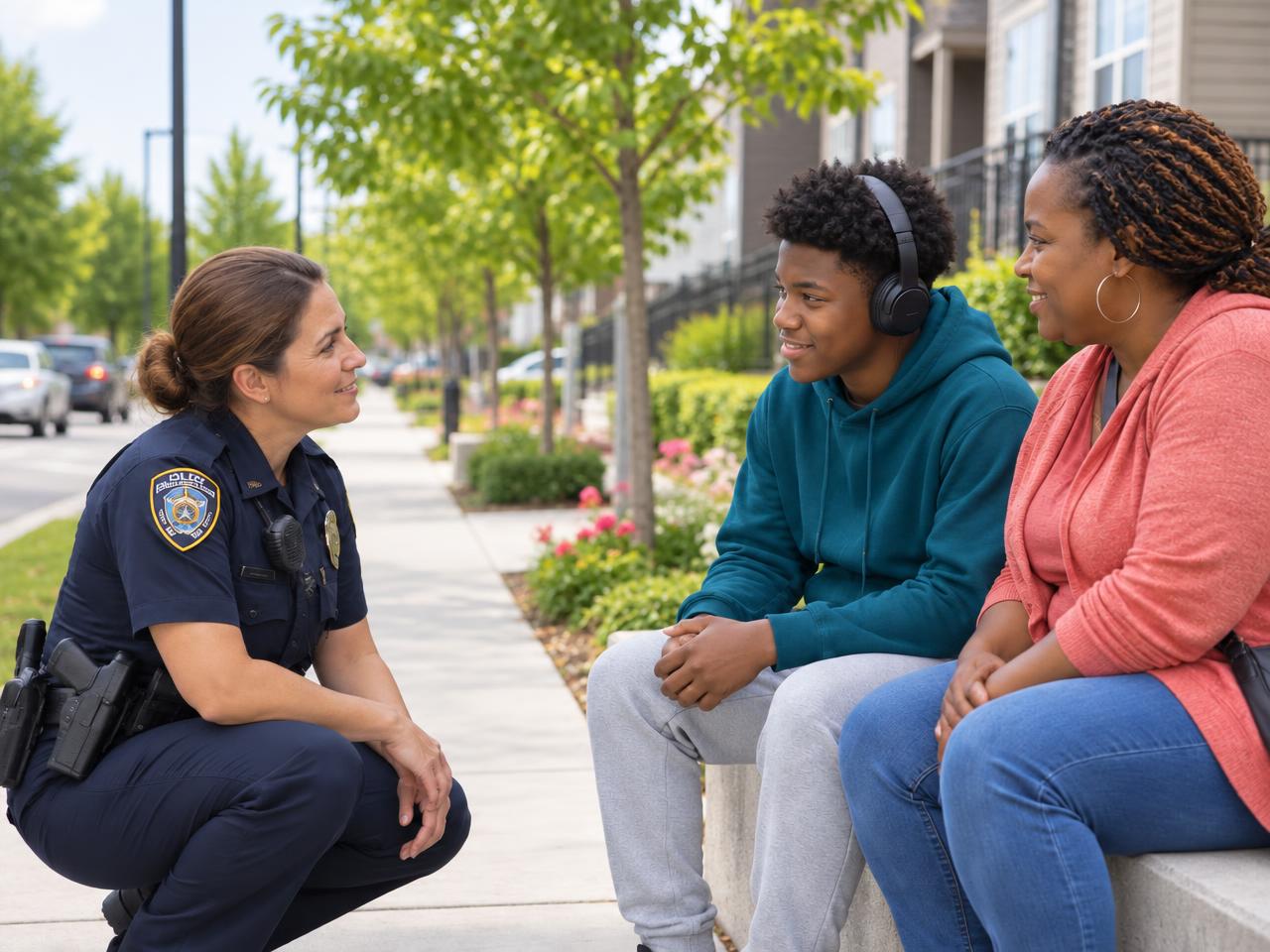
Our two major campaigns focus on safety, dignity, and equitable access for autistic individuals.
Education & access
Pathways to autism information, education, travel resources, support, and advocacy resources.
Community
Upcoming event
Our community
Client gallery photographs pending.
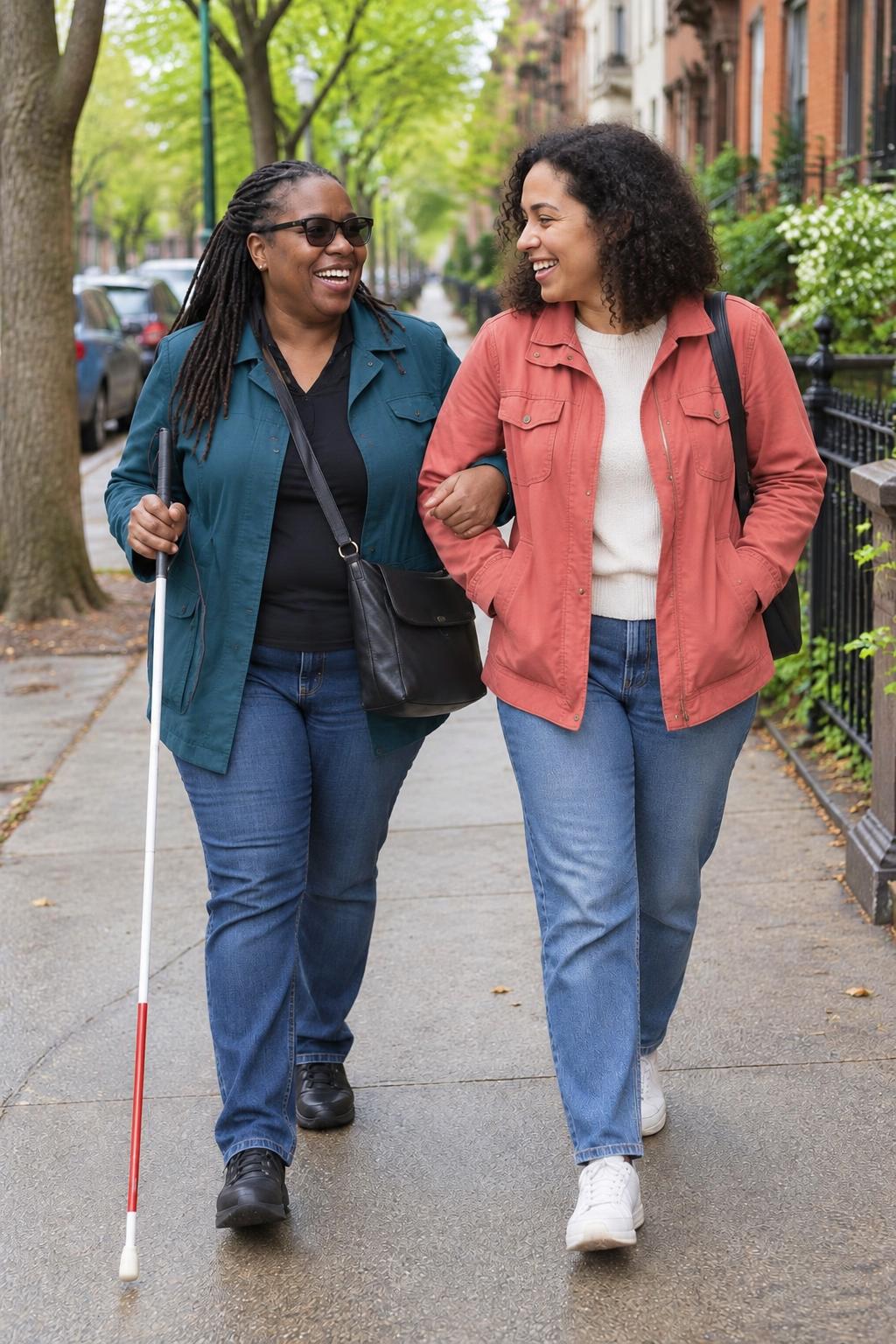
Connection & community
Start a conversation